There are many good reasons to run for office. Some are personal, some are practical, and some come from a simple feeling you can’t shake:
Your community deserves better, and you want to help deliver it.
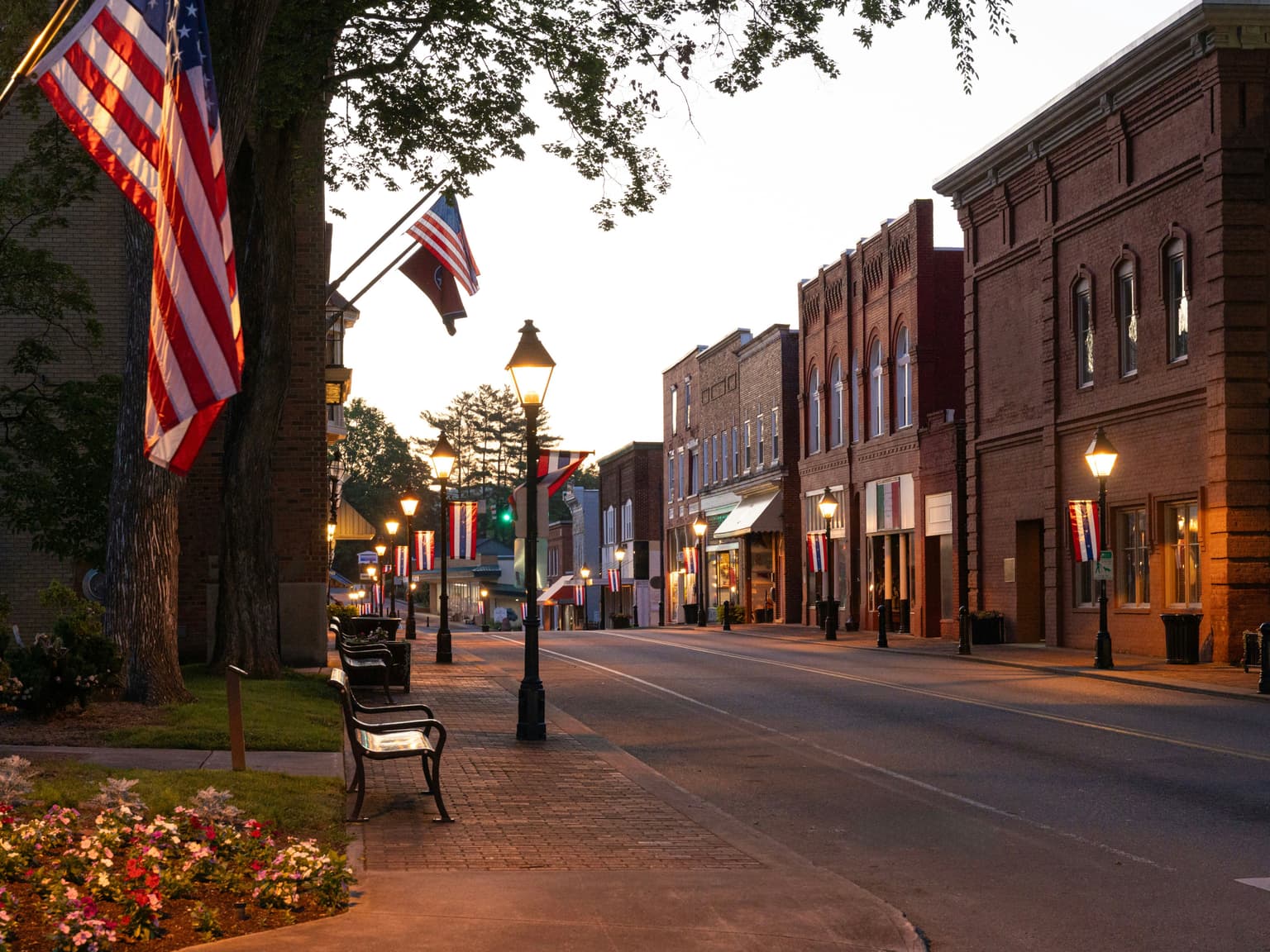
Most local offices aren’t about national-level political ideology or party ties. They’re about day-to-day decisions that shape people’s quality of life, like school policies, zoning laws, public safety, clean water, and how your tax dollars are spent. That’s why so many local races are nonpartisan, and why Independent candidates often connect so strongly at the community level.
Why Do People Run for Office?
Most people don’t run for office because they’ve always dreamed of being a politician. They run because they’ve watched the same problems come up year after year. They’ve sat through town hall meetings where no one gave direct answers to community questions. They’ve seen decisions made without the people most affected in the room. Eventually, something shifts from frustration to clarity: if you want things to change, someone has to step up.
At the local level, that decision is often deeply personal. It can start with a school issue that hits home, a neighborhood safety concern, a development project that doesn’t reflect the community, or a basic need like clean water and reliable infrastructure.
“For me, it was just about serving,” said Jermaine Howard, a city council member in Kansas City, Kansas. “While I continued to serve my community, I just got to a point where I was learning more and more and more about civics. I was utilizing the resources that were there in our community that, growing up as a kid, we didn't have access to.”
That’s what motivates so many first-time candidates: not ambition, but responsibility. The belief that local leadership should be closer to the people and that everyday residents can be the ones to deliver it.
Top 15 Reasons to Run for Office in Your Community
There’s no single “right” reason to run for office, but when you listen to local leaders talk about why they stepped up, patterns start to emerge.
The reasons below capture those patterns, along with real quotes from officeholders who made the leap from concerned resident to public leader:
#1: You Can Make an Impact Close to Home
Local government is where everyday life happens, where pivotal decisions are made concerning schools, roads, clean water, housing, public safety, and parks. If you want to improve your community in your own backyard, running locally is one of the fastest ways to do it.
#2: You Want to Keep Partisanship Out of Local Politics
Especially in local races like school board elections, national political party talking points can hijack the conversation and drown out practical, student-centered decisions.
When Neerav Modi, a school board member in Jamesburg Borough, New Jersey, was thinking of running for office, he just wanted to “become more involved in this decisive political environment in an area which is not and should not be political and to work for the kids, the students, the parents, the administrators, and not give in to these other national distractions.”
Your free guide to running a winning campaign
Claim your copy to level up your campaign strategy.
#3: There Are Specific Issues You Can’t Ignore
Maybe it’s clean water, a dangerous intersection, rising rent, school overcrowding, or a lack of youth programs. Whatever the issue is that you can’t stop thinking about, you can run a clear, local campaign built around solving that real problem.
#4: You Want to Keep Local Politics Local
Local government works best when it stays focused on local needs. That means paying attention to the issues your neighbors live with every day, like school funding, housing, road safety, clean water, and reliable public services, and making decisions based on what will actually improve life in your community.
If you’re the kind of person who wants leadership to be practical, responsive, and rooted in real local priorities, running for office is one of the most direct ways to make that happen.
#5: You Can Represent People Who Haven’t Been Represented
Local offices give you the opportunity to run Independent or nonpartisan and bring new voices into leadership from underrepresented communities. Whether it’s by race, class, age, profession, language, neighborhood, or life experience, that representation changes what and who gets prioritized.
LEARN MORE: See how diversity in politics helps strengthen democracy.
#6: You Want to Protect What Makes Your Community Unique
Local leadership shapes the things people care about most: safe neighborhoods, good schools, responsible growth, reliable services, and a community that feels like home.
The choices local officials make can strengthen what makes a place special or slowly erode it over time. If protecting your community’s stability and future matters to you, your leadership can make a real difference.
#7: You Want to Lead with Service
Many local, nonpartisan, and Independent candidates are motivated by service first because they already show up for their community.
“My journey was not a traditional one when it comes to politics,” said Howard. “I was just a concerned resident that grew up in the community. It was just an opportunity for someone that had lived those experiences to have an opportunity to serve and help be a voice for those in our community.”
That mindset of showing up, listening, and serving is exactly what local leadership should look like.
LEARN MORE: Explore the differences between a politician and a good public servant.
#8: You Want to Rebuild Trust With Accountability
Local candidates often run their campaigns on transparency and responsiveness because that’s what voters are hungry for: leaders who listen, explain decisions, and follow through.
#9: You See What’s Missing
Sometimes the reason to run is simple: you’ve watched leadership ignore people for too long.
“I'd seen a lack of communication and respect to the residents over the six years that I've been out of [politics],” said James Likely, township trustee in Medina, Ohio. “I felt that our residents deserve to have a better voice in our local government and be respected a little bit more with their concerns and issues that they present before the board. So that was the drive for me to get back into it.”
#10: You Can Be a Leader Who Actually Shows Up
A lot of residents feel ignored until election season. Running for office gives you the chance to change that by being visible, accessible, and accountable year-round, not just when it’s convenient.
LEARN MORE: See the constituent engagement strategies that let local leaders better understand the people they serve.
#11: You Want to Shape the Future of Your Community
Local leadership matters most when a town or city is changing fast.
“I was just very involved in the community. I love the city I live in and want it to be its best,” said Tom Lambert, city council member in Dunwoody, Georgia. “We're a relatively young city, so there's a lot of opportunity to shape the future of the city, and that's what really excited me, is having the opportunity to add the quality of life, amenities, and elements to the city that a lot of the residents, I think, were looking for.”
#12: You Respond to Injustice with Action
For many candidates, the push to run comes from seeing harms go ignored and deciding to be part of the solution.
“My inspiration comes from injustices that we see in our society,” said Ana Paola Pazmino, school board member in Jamesburg Borough, New Jersey. “We have seen previously that there needs to be more of a voice out there, so that's what inspired me.”
#13: You Want to Improve How Local Government Communicates
A lot of frustration in local politics isn’t about one ideology or another. It’s really about residents feeling unseen and left in the dark. If you believe your community deserves clearer answers, more transparency, and better communication, running for office gives you the power to change the standard.
#14: You Have Valuable Real-World Expertise
Teachers, nurses, engineers, small business owners, organizers, and parents are the voices local governments need. If you have experience working within your community, you can be a leader who understands what policies really look like on the ground.
“I've been in education for my whole career, so when my kids started going to school, I started following the school committee meetings,” said Tammy Wong-Bigelow, a school committee member in Waltham, Massachusetts. “I thought that there could be some improvements based on my own professional experience. So I decided to run, to be the change.”
#15: You Want to Make Decisions With the Community, Not Around Them
Local leadership works best when residents aren’t treated like an afterthought. If you want government that listens early, explains tradeoffs, and follows through, you can help build that kind of culture from the inside.
LEARN MORE: If you’re thinking of stepping up, our guide can help you learn how to run for office even if you have no political experience.
How to Answer “Why Are You Running for Office?”
Once you know why you’re running, the next step is learning how to say it clearly, because voters will ask, and your answer matters.
A strong answer does three things:
- Explains the problem you want to solve locally and specifically
- Acknowledges the real people it affects
- Says what you’ll do practically and credibly
Here are a few fill-in-the-blank options you can adapt if someone asks you why you’re running for office:
- “I’m running because [problem] has gone on too long, and it’s hurting [group]. I’m focused on [solution] and making sure residents have a real voice in the process.”
- “I’m running as an Independent because I want to put people over party and focus on results, starting with [top issue].”
- “I’m running because I love this community, and I want it to be its best. My priority is [quality-of-life goal], and I’m ready to do the work.”
If you want your answer to be even stronger, end with a values line that highlights your leadership style, like explaining you’ll tackle the issue with accountability and transparency.
LEARN MORE: Explore how to craft a campaign message that actually connects.
Your Reason to Run Is Enough
Most people wait to feel ready to run, but there’s rarely a perfect moment. Ultimately, the people who make the biggest differences in their community usually start the same way: as a concerned resident who decides to step up.
If you’re considering running without a party label, whether nonpartisan or as an Independent, that can also be your message from day one:
You’re not here to climb a ladder. You’re here to serve your community.
Ready to explore what this could look like for you? Join the conversation and connect with other Independent-minded candidates in GoodParty.org’s community.
Photo by Small Group Network on Unsplash